


Fleet management best practices: Cut costs and boost fleet efficiency
- fantasma70
- Jan 12
- 18 min read
In the fast-paced car rental market, staying ahead means more than just having the right vehicles. It requires a sophisticated strategy to manage every aspect of your fleet, from maintenance schedules to customer satisfaction. For businesses like Cars4Go, navigating the complexities of airport deliveries, flexible bookings, and high vehicle turnover in Miami demands precision and efficiency. This guide outlines 10 essential fleet management best practices designed to optimize operations, reduce costs, and enhance the customer experience.
Each practice is a crucial component of a robust system that ensures reliability, safety, and profitability. We will move beyond generic advice and provide actionable steps you can implement immediately. You will learn how to leverage GPS for real-time visibility, create a proactive maintenance schedule that prevents downtime, and implement driver safety programs that protect your assets and customers.
We will also explore strategies for dynamic pricing, comprehensive vehicle inspections, and integrating your booking systems for seamless operations. Furthermore, we'll cover optimizing your fleet composition for your target audience, from families needing car seats to international tourists requiring unlimited mileage. These fleet management best practices are designed to be practical, directly addressing the daily challenges of a modern rental service. By mastering these areas, you can transform your fleet from a simple asset into a powerful competitive advantage, ensuring every vehicle operates at peak performance and contributes directly to your bottom line.
1. GPS Tracking and Real-Time Fleet Visibility
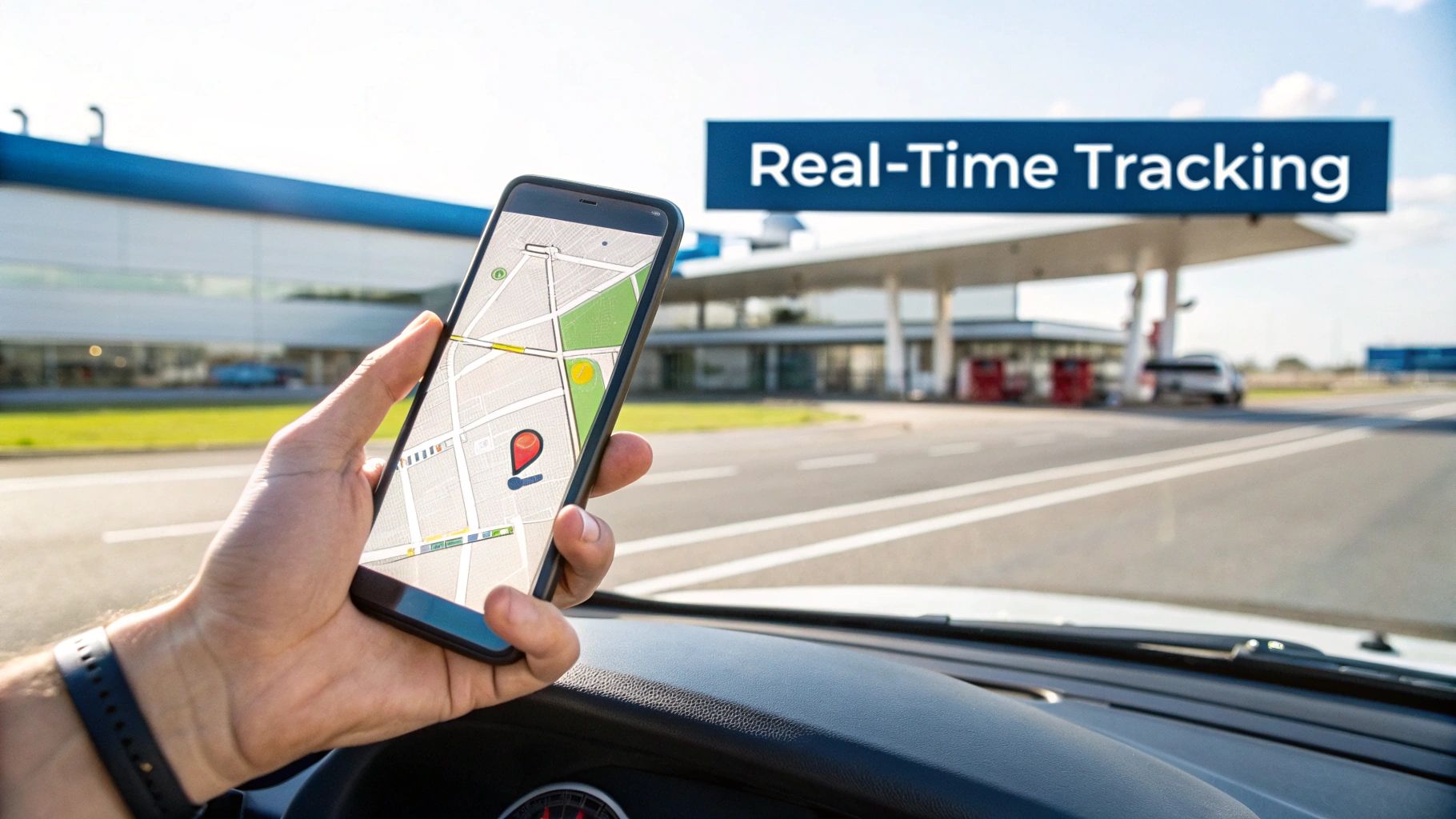
Implementing a robust GPS tracking system is one of the most impactful fleet management best practices you can adopt. This technology equips each vehicle with a device that transmits real-time location data, giving you a complete, live overview of your entire fleet. For a service like Cars4Go, this means knowing precisely where every rental car is, whether it's en route for a door-to-door delivery to Miami International Airport, parked at a customer's hotel, or returning to your lot.
This immediate visibility moves fleet management from a reactive to a proactive model. Instead of waiting for a driver to call, you can see their progress, anticipate delays, and provide customers with highly accurate ETAs.
Why It's a Top Priority
Real-time tracking is the foundation for efficiency and superior customer service. Major players like Enterprise Rent-A-Car and Avis use this technology to streamline operations and enhance the customer experience with features like mobile app notifications about vehicle location. For Cars4Go, it’s essential for managing airport deliveries and collections, where timing is critical for travelers.
This data allows you to optimize routes on the fly, avoiding traffic jams around Fort Lauderdale Airport and ensuring your drivers use the most fuel-efficient paths. It also improves vehicle security by providing immediate location information in case of theft.
How to Implement It
Choose a Scalable System: Select a GPS provider like Samsara or Verizon Connect that offers hardware compatible with your diverse vehicle models and can integrate with other management software.
Set Up Geofencing Alerts: Create virtual boundaries around key locations like airports, hotels, and your service lots. Set up automated alerts to notify you when a vehicle enters or leaves these zones, confirming successful deliveries and returns.
Train Your Team: Your staff must know how to interpret the data. Train them to use the dashboard to monitor vehicle status, analyze route efficiency, and respond to alerts for unauthorized use or maintenance issues.
Be Transparent with Customers: Clearly communicate the benefits of tracking, such as accurate delivery times and enhanced vehicle security. This builds trust and turns a back-end tool into a customer-facing advantage.
2. Preventive Maintenance Scheduling
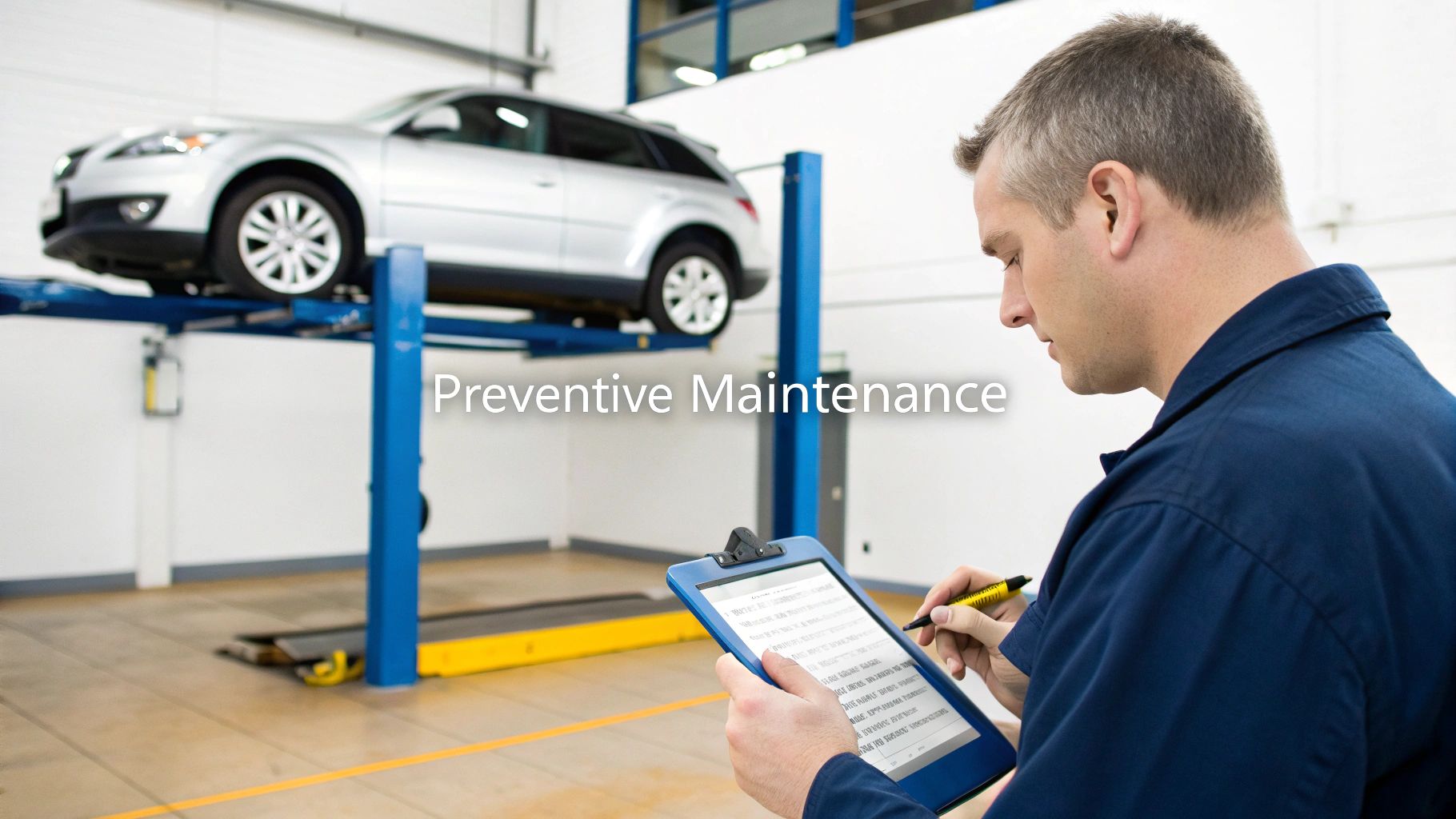
Shifting from reactive repairs to proactive care is a cornerstone of effective fleet management best practices. Preventive maintenance involves a systematic schedule of inspections, servicing, and component replacements based on time intervals, mileage, or manufacturer guidelines. For a rental service like Cars4Go, this means addressing potential issues before they cause a breakdown, ensuring every customer receives a reliable, safe, and well-maintained vehicle for their trip to Miami's beaches or business meetings.
This approach significantly reduces unexpected downtime and costly emergency repairs. Instead of a customer calling with a roadside issue, maintenance is performed on your schedule, maximizing vehicle availability and protecting your brand's reputation for quality.
Why It's a Top Priority
A well-maintained fleet is a safe and profitable fleet. Industry leaders like Avis and National Car Rental have robust preventive maintenance protocols because they understand that reliability directly impacts customer satisfaction and operational costs. For Cars4Go, this is crucial for managing a fleet that serves high-mileage tourists and local renters alike.
By scheduling service in advance, you extend the lifespan of your vehicles, improve their resale value, and ensure they comply with safety regulations. This strategy minimizes the risk of a rental car failing a customer mid-trip, which can lead to negative reviews, towing expenses, and the logistical headache of providing a replacement vehicle.
How to Implement It
Use Fleet Management Software: Implement software that automates maintenance alerts based on mileage tracked via GPS or engine diagnostics (telematics). This ensures no vehicle misses its scheduled oil change, tire rotation, or brake inspection.
Create Tiered Maintenance Schedules: Differentiate schedules based on vehicle usage. For example, vehicles used by "unlimited Florida mileage" customers will require more frequent checks than those used for short local rentals.
Partner with Reliable Service Centers: Establish relationships with trusted local service centers in the Miami and Fort Lauderdale areas. This ensures consistent quality, potentially better pricing, and faster turnaround times during peak seasons.
Maintain Detailed Service Records: Keep meticulous records of all maintenance performed on each vehicle. This data is invaluable for tracking costs, predicting future needs, identifying recurring issues with certain models, and demonstrating a vehicle's care history at resale.
3. Driver Safety and Telematics Programs
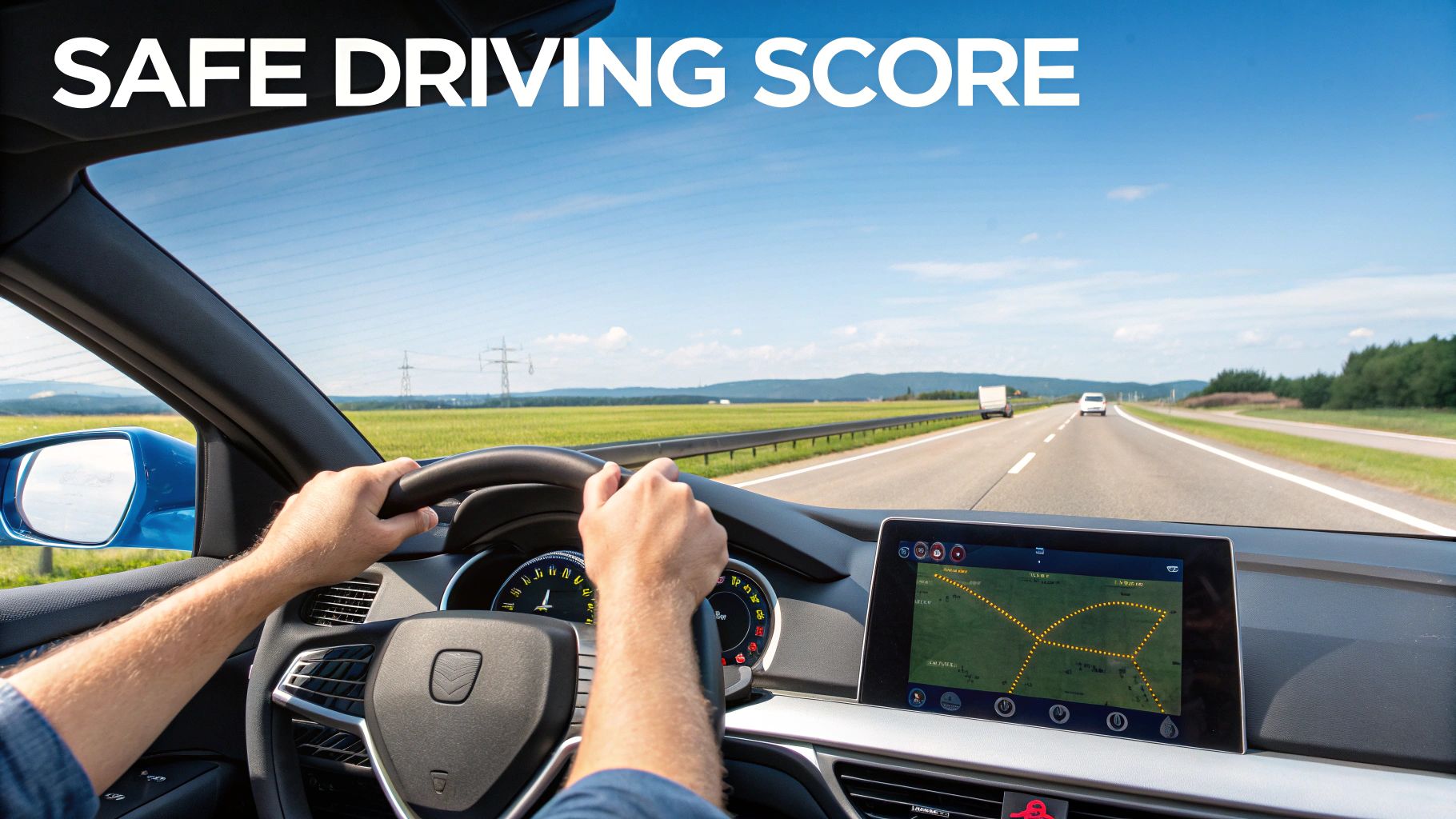
Implementing comprehensive driver safety programs powered by telematics is another essential fleet management best practice. This approach uses in-vehicle sensors to monitor driving behaviors like harsh braking, rapid acceleration, speeding, and cornering. For Cars4Go, this data is invaluable not just for your staff drivers but also for understanding how rental customers and their designated second drivers use your vehicles, helping protect your assets and reduce liability.
This insight allows you to move beyond simply renting out a car to actively promoting a culture of safety. It protects your customers, minimizes accident risks, and ultimately lowers insurance premiums and repair costs.
Why It's a Top Priority
A strong safety program directly impacts your bottom line and brand reputation. Companies like Zipcar and Turo leverage telematics to ensure their shared vehicles are operated responsibly, while major rental companies like Enterprise use safety data to reduce accident claims. For Cars4Go, it provides a clear way to verify that renters adhere to your terms of service, especially regarding safe operation and unauthorized drivers.
Monitoring driving habits helps identify high-risk behaviors that could lead to costly accidents. It also provides objective data to support insurance claims or address customer disputes, safeguarding your business from unnecessary expenses and legal complications.
How to Implement It
Integrate Telematics with Safety Scorecards: Use your telematics system to create a safety score for each trip. This score can be based on a combination of factors like speeding events, hard braking, and rapid acceleration.
Communicate Benefits to Renters: Be transparent about your safety monitoring. Frame it as a benefit that keeps rental costs down and ensures all customers have access to well-maintained, safe vehicles.
Train Staff and Second Drivers: Provide brief, clear guidelines on safe driving practices during the vehicle handover process, especially for customers adding a second driver. This educates them and reinforces your commitment to safety.
Offer Safety-Based Incentives: Consider rewarding customers who maintain high safety scores during their rental period. This could be a discount on a future rental or bonus points in your loyalty program, turning a safety policy into a marketing tool.
4. Dynamic Pricing and Demand-Based Rate Management
Adopting a dynamic pricing strategy is a powerful fleet management best practice that transforms your revenue potential. This approach uses real-time data and algorithms to adjust rental rates based on factors like demand, seasonality, local events, and vehicle availability. For Cars4Go, it means you can maximize income during Miami’s peak tourist seasons and stay competitive with attractive rates during slower periods.
This strategy allows you to move away from static, one-size-fits-all pricing. Instead, your rates become a responsive tool that balances fleet utilization with profitability, ensuring you're not leaving money on the table or pricing yourself out of the market.
Why It's a Top Priority
Dynamic pricing directly impacts your bottom line by aligning your rates with true market value at any given moment. Companies like Uber and Airbnb have mastered this, using surge pricing and seasonal adjustments to optimize revenue. For a rental service in a high-demand area like South Florida, this is crucial for capitalizing on major events like Art Basel or the Miami Open, when visitor numbers skyrocket.
This data-driven model also ensures your fleet is used efficiently. By lowering prices during off-peak times, you can attract budget-conscious local renters or business travelers, keeping your vehicles on the road and generating revenue instead of sitting idle in the lot.
How to Implement It
Analyze Demand Triggers: Use data to identify key demand drivers. Track flight schedules at Miami International Airport, monitor local event calendars, and analyze historical booking trends to forecast high-demand periods.
Invest in Pricing Software: Implement revenue management software that can automate price adjustments based on preset rules and real-time data, such as competitor rates and your own fleet’s availability.
Maintain Price Transparency: While rates may change, transparency is key. Ensure the price displayed online is the final price, with no hidden fees. This builds trust and prevents customer frustration at the counter. For more details on our commitment to clear pricing, check out our current car rental deals.
Create Tiered Loyalty Offers: Offer loyal, repeat customers access to more stable or preferential rates, shielding them from the highest peak-season surges. This builds a strong customer base while still allowing you to capitalize on market demand.
5. Comprehensive Vehicle Inspection and Condition Management
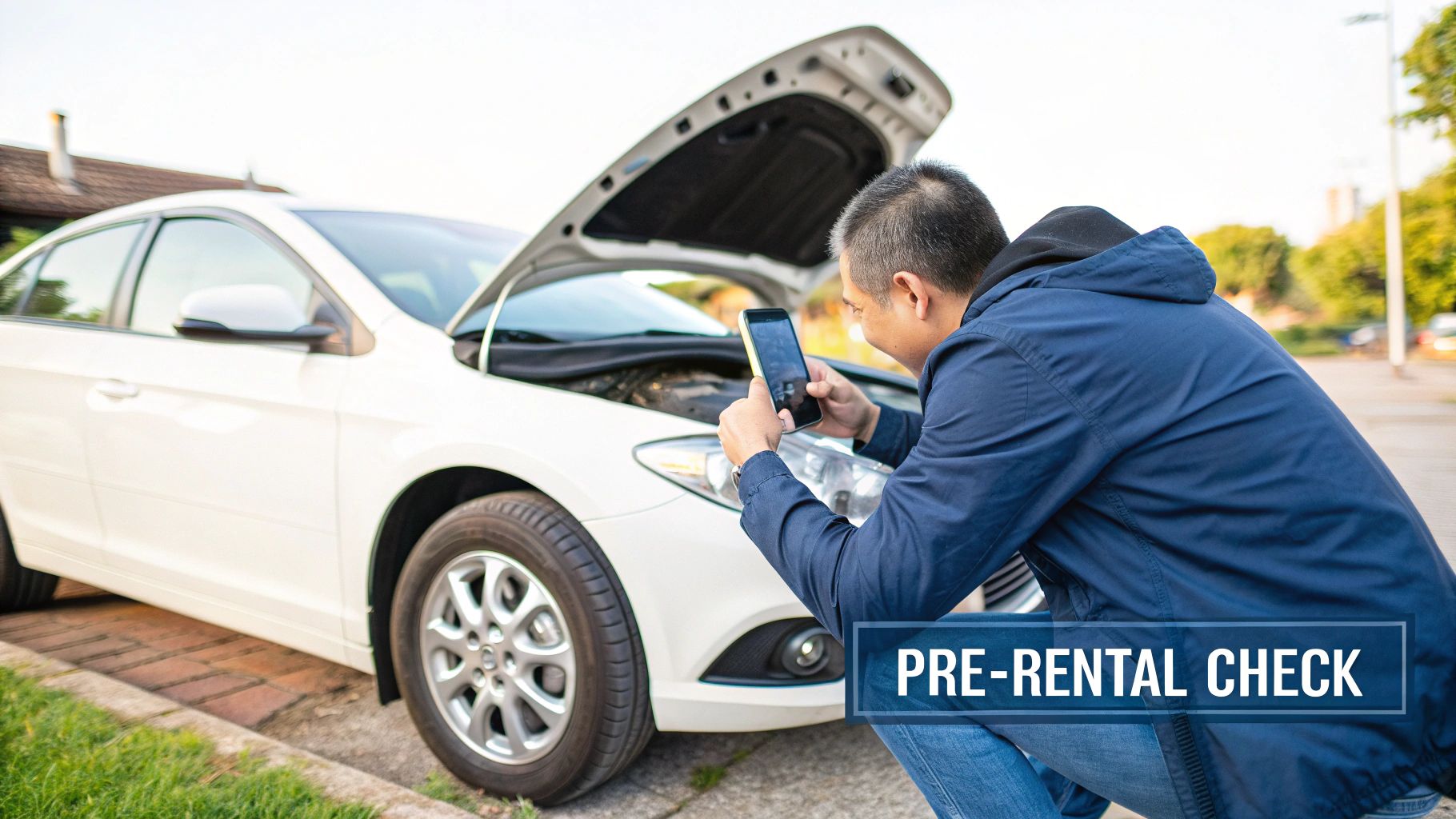
Implementing a rigorous, standardized inspection process is a crucial fleet management best practice for any rental operation. This involves using detailed digital checklists and photo documentation for both pre-rental and post-rental vehicle checks. For a service like Cars4Go, this system protects against damage disputes, ensures vehicle quality, and upholds your brand's reputation for providing clean, well-maintained cars.
This systematic approach moves vehicle condition management from a subjective glance to an objective, evidence-based process. It means having a digital record of every scuff, scratch, and dent before a customer drives away from your Miami location, and a clear comparison point when they return the car.
Why It's a Top Priority
Thorough inspections are the cornerstone of asset protection and customer trust. Major companies like Hertz and Enterprise have shifted to mobile inspection technology to streamline damage assessment and reduce conflicts. For Cars4Go, having irrefutable photo evidence is vital when a vehicle is returned to a busy location like Fort Lauderdale Airport with new damage, preventing costly "he said, she said" arguments.
This documentation also helps identify maintenance needs early, ensuring every family renting an SUV or business traveler booking a sedan receives a vehicle in excellent condition. It directly impacts customer satisfaction and reduces the vehicle downtime associated with unexpected repairs.
How to Implement It
Adopt a Digital Inspection App: Use a dedicated tool like DamageTrack or SurePly that allows staff to follow a guided checklist, take time-stamped photos, and capture digital signatures on a tablet or smartphone.
Create Standardized Protocols: Define a consistent process for every inspection. This includes specific camera angles, minimum photo counts, and mandatory checks for tires, windshields, and interior cleanliness.
Train Staff on Tact and Technology: Teach your team how to use the app efficiently and how to conduct inspections professionally and respectfully in front of customers. Proper training ensures the process is seen as a protective measure, not an accusation.
Organize Digital Records: Ensure all inspection reports are automatically uploaded and stored in a centralized, easily searchable database. This allows for quick retrieval of records to resolve any customer disputes or insurance claims.
6. Integrated Booking and Reservation Management System
An integrated booking and reservation system is another critical component of modern fleet management best practices, especially for a customer-facing service. This centralized platform consolidates all reservations from various channels, such as your website, phone calls, WhatsApp, and in-person bookings, into a single, synchronized dashboard. For Cars4Go, this means your fleet inventory is always accurate, preventing double-bookings and ensuring the right vehicle is available for a door-to-door delivery in Miami.
This system moves your booking process from a fragmented, manual effort to a streamlined, automated operation. It gives customers the power to reserve, modify, or cancel their bookings easily, while providing your team with a real-time view of vehicle availability across all your South Florida locations.
Why It's a Top Priority
A unified reservation system is the backbone of operational efficiency and a seamless customer journey. Major companies like Hertz and Avis use these systems to manage bookings across their mobile apps, websites, and physical counters, ensuring a consistent experience. For Cars4Go, this technology is vital for managing the logistics of deliveries to Miami International Airport and coordinating pickups from various hotels, all while giving customers a simple, convenient booking process.
Centralizing this data allows you to manage demand, optimize vehicle allocation, and reduce no-shows with automated reminders. It turns a complex logistical challenge into a manageable, data-driven process that directly enhances customer satisfaction.
How to Implement It
Choose a Centralized Platform: Select a reservation software like RentalPro or solutions from Sabre that can handle multi-channel bookings and integrate with your existing fleet management tools.
Enable Customer-Friendly Features: Ensure the system allows customers to easily book door-to-door delivery services online. Integrate communication channels like WhatsApp for quick confirmations and support.
Automate Customer Communications: Set up automated reminders for pickups and drop-offs to reduce no-shows and improve on-time performance. This is crucial for time-sensitive airport services.
Track Bookings by Location: Configure the system to monitor reservations across all your Miami-area pickup and drop-off points, helping you balance vehicle inventory and staff allocation based on demand.
7. Fleet Composition Optimization and Vehicle Selection Strategy
A core component of successful fleet management best practices is strategically curating your vehicle mix. This goes beyond just buying cars; it involves a data-driven approach to selecting the right types, sizes, and models to perfectly align with customer demand patterns. For a rental service like Cars4Go, this means stocking a diverse inventory that caters to everyone, from a family needing an SUV with car seats for a trip to the Everglades to a business traveler wanting a reliable sedan for meetings in downtown Miami.
Optimizing your fleet composition ensures you have the right car available at the right time, maximizing utilization rates and customer satisfaction. It prevents having too many unpopular models sitting idle while high-demand vehicles are constantly booked out, which leads to lost revenue and disappointed customers.
Why It's a Top Priority
A well-optimized fleet directly impacts profitability. Companies like Enterprise and Hertz master this by offering distinct tiers, from economy options for budget-conscious travelers to premium collections for those seeking luxury. This segmentation allows them to capture a wider market share. For Cars4Go, having a varied fleet is crucial for serving the diverse needs of Miami's tourists and residents, from convertibles for scenic drives down Ocean Drive to minivans for family vacations.
This strategy also minimizes operational costs. By selecting models known for reliability and fuel efficiency, you reduce expenses related to maintenance, downtime, and fuel consumption. It’s a proactive measure that balances customer desires with long-term financial health.
How to Implement It
Analyze Demand Data: Use your booking history to identify which vehicle classes are most popular and during which seasons. Do SUVs see a spike during school holidays? Do convertibles get booked more in the winter months? Use this data to forecast future needs.
Segment Your Offerings: Create clear categories for your vehicles. For instance, you can explore the different car types available at Cars4Go to see how options can be structured, such as "Family Friendly," "Economy," and "Luxury," to make it easier for customers to find what they need.
Prioritize Total Cost of Ownership (TCO): When acquiring new vehicles, look beyond the sticker price. Consider factors like fuel economy, expected maintenance costs, resale value, and insurance premiums. Brands like Toyota and Honda are often favored for their low TCO.
Maintain Flexibility: Your fleet composition shouldn't be static. Be prepared to adjust your mix based on changing market trends, major local events, and seasonal tourism patterns in South Florida. Consider shorter-term leases for specialty vehicles to meet temporary demand without a long-term commitment.
8. Customer Communication and Multi-Channel Support Strategy
A key component of modern fleet management best practices is a customer-centric communication strategy that spans multiple channels. This means providing seamless, responsive support through phone, WhatsApp, email, and in-person interactions. For a service like Cars4Go, where customers include international tourists and busy professionals, accessible and efficient communication is non-negotiable for handling booking modifications, answering questions, and resolving issues promptly.
This approach ensures that customers can reach you on their preferred platform, which is crucial for building trust and satisfaction. Whether a traveler needs to confirm a pickup at Fort Lauderdale-Hollywood International Airport via WhatsApp or a local resident wants to call about extending a rental, a multi-channel system makes the experience smooth and hassle-free.
Why It's a Top Priority
Excellent communication directly impacts customer retention and brand reputation. Companies like Uber and Airbnb have set high standards by offering 24/7, multi-channel support that caters to a global user base. For Cars4Go, a strong support strategy is vital for managing the dynamic needs of travelers in Miami, from last-minute changes to inquiries about local driving regulations.
By being consistently available and helpful, you transform a simple car rental into a premium service experience. This builds loyalty, encourages positive reviews, and differentiates your brand in a competitive market. A well-trained team equipped with the right tools can turn a potential problem into a moment of exceptional customer care.
How to Implement It
Integrate Key Channels: Prioritize channels your customers use most, especially WhatsApp for its convenience with international visitors. Use a unified platform like Zendesk or Intercom to manage all conversations from a single dashboard.
Train Staff on Service Excellence: Your team is your frontline. Train them not just on procedures but on empathetic, solution-oriented communication. Ensure they are prepared to handle inquiries and modifications with speed and professionalism.
Develop Multilingual Resources: Create a comprehensive, multilingual FAQ page on your website to address common questions from international tourists. This reduces support ticket volume and empowers customers to find answers quickly.
Establish a CRM System: Use a Customer Relationship Management (CRM) system to log interactions and track customer history and preferences. This allows for personalized service and helps anticipate the needs of repeat clients. For more information, you can learn more about our commitment to customers.
9. Fuel Management and Sustainability Practices
Controlling fuel consumption and embracing sustainability are no longer optional; they are essential fleet management best practices that directly impact your bottom line and brand reputation. This involves closely monitoring fuel usage, optimizing refueling strategies, and integrating eco-friendly vehicles and practices into your operations. For a company like Cars4Go, this means not only saving money on gas for deliveries around Miami but also appealing to a growing segment of environmentally conscious travelers.
Adopting these practices allows you to control a major variable cost, which supports transparent pricing and protects your profit margins. It also positions your brand as a responsible choice in a competitive market.
Why It's a Top Priority
Fuel is often the second-largest expense for a fleet after vehicle depreciation. Proactively managing it reduces operational costs and enhances your brand image. Companies like Hertz and Enterprise have recognized this, adding hybrid and fully electric vehicles (EVs) like Polestars to their fleets. For Cars4Go, offering a Toyota Prius or a Tesla as an option for customers traveling from Miami to the Keys can be a significant competitive differentiator.
Furthermore, analyzing telematics data to identify wasteful driving patterns, such as excessive idling or harsh acceleration, provides coaching opportunities that improve both fuel economy and driver safety. To significantly reduce operational costs and enhance oversight, consider implementing modern fleet fuel management systems.
How to Implement It
Integrate Fuel Cards and Telematics: Use fuel cards that are integrated with your GPS tracking system. This automatically links fuel purchases to specific vehicles and drivers, helping you spot anomalies and track fuel efficiency (MPG) accurately.
Diversify Your Fleet: Gradually introduce hybrid and electric vehicles. Start by offering them as premium, eco-friendly options for customers who value sustainability, and market these benefits clearly on your booking platform.
Monitor and Coach Driving Behavior: Use your telematics data to identify drivers with inefficient habits like speeding or rapid acceleration. Provide constructive feedback and training to encourage smoother, more fuel-efficient driving.
Educate Your Customers: Include a small card or digital message in your vehicles with simple tips for fuel-efficient driving. This shows your commitment to sustainability and can help reduce fuel consumption by renters, especially those with unlimited mileage packages.
10. Loyalty Program and Customer Retention Strategy
Implementing a structured loyalty program is a powerful fleet management best practice that transforms one-time renters into repeat customers. This strategy involves rewarding clients for their continued business with points, discounts, or exclusive perks, directly boosting customer lifetime value. For a service like Cars4Go, this means encouraging business travelers visiting Miami to book with you every trip, and turning local residents into loyal customers for their occasional rental needs.
A well-designed program shifts the focus from transactional encounters to building long-term relationships. Instead of simply providing a car, you're offering an ongoing value proposition that competitors may not match, creating a sustainable advantage in a competitive market like South Florida.
Why It's a Top Priority
Customer retention is far more cost-effective than customer acquisition. Major players like Hertz with its Gold Plus Rewards and Avis with Avis Preferred have built empires on this principle, offering tiered benefits that make frequent renters feel valued. For Cars4Go, a loyalty program is essential for capturing the lucrative repeat business from travelers flying into Miami International Airport and Fort Lauderdale-Hollywood International Airport.
This approach also provides invaluable data on customer behavior, allowing you to create targeted marketing campaigns and personalized offers. Beyond loyalty programs, mastering overall customer retention is paramount for long-term success. Exploring effective customer retention strategies can significantly impact your fleet's profitability and customer base.
How to Implement It
Design a Simple, Tiered System: Create a points-based program where customers earn points for every dollar spent. Offer clear tiers (e.g., Silver, Gold, Platinum) with escalating benefits like free upgrades, complimentary second-driver options, or priority vehicle access.
Make Redemption Seamless: Ensure customers can easily track and redeem their points online or through a mobile app. Complicated redemption processes are a major deterrent. Offer rewards like free rental days, discounts on future bookings, or free add-ons like car seats.
Create Targeted Promotions: Use the data from your program to offer special promotions. For example, provide bonus points for local residents during off-peak seasons or offer exclusive deals to business travelers who frequently book airport deliveries.
Integrate with Your Booking System: Your loyalty program should be fully integrated with your fleet management and booking software. This automates point tracking and allows for dynamic pricing adjustments based on a customer's loyalty status, rewarding your best clients with the best rates.
Fleet Management: 10 Best Practices Comparison
Item | Implementation Complexity | Resource Requirements | Expected Outcomes | Ideal Use Cases | Key Advantages |
|---|---|---|---|---|---|
GPS Tracking and Real-Time Fleet Visibility | Medium — hardware + software integration | GPS devices, connectivity, cloud storage, integration effort | Real-time locations, route efficiency, better ETAs | Door-to-door airport/hotel deliveries, route optimization | Live visibility, route savings, theft prevention |
Preventive Maintenance Scheduling | Low–Medium — scheduling + workflows | Maintenance software, service partners, downtime planning | Fewer breakdowns, extended vehicle life, lower long-term costs | High-mileage fleets, reliability-focused operations | Reduced failures, cost savings, safety compliance |
Driver Safety and Telematics Programs | Medium — telematics + training | Telematics units, analytics, training, incentive budget | Reduced accidents/claims, safer driving behavior | Multi-driver rentals, family customers, liability reduction | Lower insurance costs, improved safety, behavior coaching |
Dynamic Pricing and Demand-Based Rate Management | High — advanced analytics & integrations | Pricing engine, market/event data, IT integration, modelling | Optimized revenue, improved utilization, demand responsiveness | Peak seasons, events, airport demand spikes | Revenue maximization, supply-demand alignment |
Comprehensive Vehicle Inspection and Condition Management | Medium — digital checklists + process change | Mobile inspection apps, photo storage, staff training | Fewer disputes, faster returns, accurate damage records | High turnover locations, dispute-prone rentals | Legal protection, consistent quality control |
Integrated Booking and Reservation Management System | High — multi-channel synchronization | Central booking platform, payment integrations, API work, training | Reduced overbooking, unified inventory, easier modifications | Multiple pickup/drop-off sites, door-to-door service | Seamless reservations, real-time availability |
Fleet Composition Optimization and Vehicle Selection Strategy | Medium–High — analysis + procurement strategy | Market research, analytics, capital for acquisitions | Better match to demand, improved utilization, lower maintenance | Diverse customer segments, seasonal demand shifts | Higher satisfaction, optimized asset mix |
Customer Communication and Multi-Channel Support Strategy | Medium — channel orchestration + staffing | CRM, multilingual staff, 24/7 tools, training | Faster issue resolution, higher satisfaction, retention | International tourists, loyalty customers, concierge services | Improved retention, trust, personalized support |
Fuel Management and Sustainability Practices | Medium — monitoring + vehicle strategy | Fuel analytics, telematics, EV/hybrid investment, charging infra | Lower fuel costs, reduced emissions, brand appeal | Cost-control initiatives, eco-conscious customer segments | Operational efficiency, sustainability differentiation |
Loyalty Program and Customer Retention Strategy | Medium — program design & integration | Loyalty platform, rewards budget, CRM/data integration | Increased repeat bookings, higher lifetime value, better targeting | Frequent renters, local business travelers, repeat leisure guests | Boosted retention, targeted marketing, customer data insights |
Putting Your Fleet on the Path to Excellence
Transitioning from knowing about fleet management best practices to actually implementing them is the single most important step you can take for your rental car business. This journey from theory to practice is where operational challenges are solved, profitability is unlocked, and customer loyalty is built. The ten strategies we've explored are not just individual tips; they are interconnected pillars that support a modern, resilient, and highly efficient rental operation.
Think of it as building a high-performance engine. A robust preventive maintenance schedule is the sturdy engine block, ensuring reliability. GPS tracking and telematics are the advanced diagnostics, giving you real-time performance data. Driver safety programs are the skilled mechanics, protecting your valuable assets. Each component is essential, and when they work together, the entire system operates with unparalleled power and efficiency.
Weaving Best Practices into Your Daily Operations
The key takeaway is that excellence isn't achieved through a single, revolutionary change. Instead, it’s the result of a consistent, committed effort to improve across multiple fronts.
Start with Visibility: You cannot manage what you cannot see. Implementing GPS tracking and an integrated booking system is your foundational step. This gives you the raw data needed to make informed decisions everywhere else, from dispatching vehicles for delivery to analyzing route efficiency for fuel savings.
Prioritize Asset Health: Your vehicles are your primary revenue-generating assets. A proactive approach to maintenance and comprehensive condition management prevents costly downtime, extends vehicle lifespan, and ensures a safe, positive experience for every customer. This directly impacts your bottom line and brand reputation.
Focus on the Human Element: Technology is a powerful tool, but your drivers and customers are at the heart of your business. Investing in driver safety programs protects your team and your fleet, while a multi-channel customer support strategy and a rewarding loyalty program transform one-time renters into lifelong advocates for your brand.
Adopting these fleet management best practices is more than just an operational upgrade; it's a strategic shift. It's about moving from a reactive model, where you fix problems as they arise, to a proactive one, where you anticipate challenges, optimize resources, and consistently exceed customer expectations. For a business like Cars4Go operating in the dynamic Miami market, this proactive stance is the ultimate competitive advantage. It allows you to adapt to demand with dynamic pricing, reduce operational friction with streamlined logistics, and build a reputation for reliability that tourists, business travelers, and locals can count on.
Ultimately, mastering these principles creates a powerful feedback loop. Efficient operations lead to lower costs and better-maintained vehicles. Safer driving and better asset tracking reduce insurance premiums and repair bills. Happy, supported customers lead to repeat business and positive reviews. This continuous cycle of improvement is what elevates a good rental service to a great one, ensuring sustainable growth and long-term success.
Ready to experience the difference a well-managed fleet makes? At Cars4Go Rent A Car, we live these principles every day to provide you with a seamless, reliable, and top-tier rental experience in Miami. Book your next vehicle with us and see our commitment to excellence firsthand at Cars4Go Rent A Car.
Comments