


A Simple Guide to Cash Car Rentals in Miami
- fantasma70
- Jan 17
- 13 min read
It’s a common question we hear all the time: can you really rent a car with just cash? The answer is a resounding yes. It's often much simpler than you might think.
While the big-name rental giants almost always demand a credit card, a whole world of independent agencies, like us here at Cars4Go, have made cash car rentals their specialty. This opens up the road for anyone who doesn't have a credit card, or simply prefers not to use one.
Why Rent a Car With Cash?
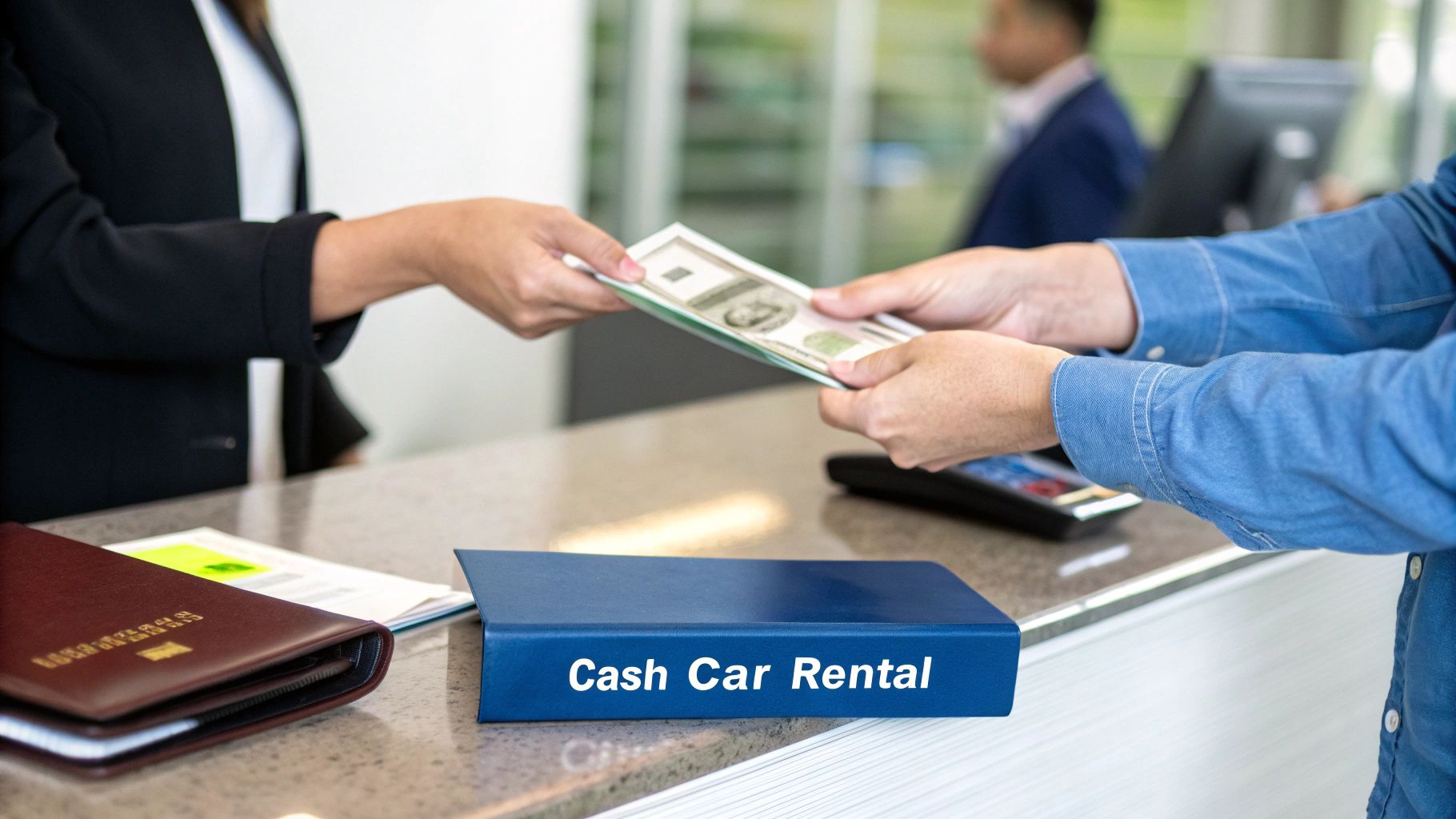
Paying for a rental car with cash might feel a bit old-school, but it solves a lot of modern-day headaches. For some, it’s about keeping their financial details private. For others, it’s the easiest way to stick to a firm travel budget—what you pay is what you spend, plain and simple.
When you pay with physical money, you skip the credit checks entirely. That means there's no impact on your credit score, which is a huge plus for anyone working to improve their credit or for younger drivers just starting out.
Who Finds Cash Rentals Most Useful?
From our experience, international travelers are some of the biggest fans of paying with cash. Trying to figure out foreign credit systems, worrying about whether your card will be accepted, and getting hit with surprise international transaction fees can be a real pain. Cash just cuts through all that confusion.
It’s also a lifesaver for locals in a jam. Imagine your car is suddenly in the shop for a week. A quick, no-fuss cash rental gets you back on the road without waiting for a large hold to clear on your credit card. Seeing how this fits into the bigger picture is useful, similar to understanding transportation options in Costa Rica where different methods suit different needs.
Key Takeaway: Renting a car with cash isn't just a backup plan. It’s a smart choice for many different people who want a simple, private, and straightforward way to rent a vehicle.
This is exactly why we built Cars4Go. We saw that too many people were being left out because they couldn't or didn't want to use a credit card. By focusing on cash and debit card payments, we make sure that a piece of plastic in your wallet doesn't stand between you and a reliable ride.
What You Really Need to Rent a Car With Cash
Renting a car with cash isn't complicated, but it does take a little more legwork than just swiping a credit card. When a rental company accepts cash, they're taking on more risk, so they need to be sure you're a trustworthy customer. Think of it less like a simple purchase and more like a handshake—you need to build a bit of trust upfront.
The good news? A little preparation goes a long way. The global car rental market hit a staggering USD 149,868.9 million in 2024, and a big reason for that growth is that more travelers are looking for flexible payment options that don't rely on a credit check. That number is expected to climb to USD 278,032.9 million by 2030, which tells you that paying with cash or debit is only going to get more common. You can dive deeper into this trend in this global car rental market analysis, which highlights how the rising cost of owning a car is pushing more people to rent.
Your Essential Document Checklist
Before you even think about heading to the rental counter, get your paperwork in order. Showing up with everything ready proves you’re serious and organized, which can make the whole process a lot faster.
A Valid Driver's License: This is the absolute must-have. Make sure it’s current (not expired!) and the photo actually looks like you.
Another Government-Issued ID: They'll want a second piece of identification to be sure. Your passport is the gold standard, especially for international travelers, but a state ID card will do the trick too.
Proof of Where You Live: This isn't always a deal-breaker, but it's smart to have on hand. A recent utility bill or a bank statement with your name and current address is perfect.
A quick tip for international visitors: While your home country's driver's license is usually fine, getting an International Driving Permit (IDP) is a brilliant move. It translates your license info into several languages, making it a universally understood document that can prevent a lot of headaches at the counter.
Understanding the Cash Security Deposit
Here’s the biggest difference you'll face when paying with cash: the security deposit. Instead of the temporary "hold" they place on a credit card, you'll be handing over a stack of actual cash.
Expect this deposit to be higher than a standard credit card hold. We're often talking $250 to $500, sometimes more. It's the rental company's only real safety net if the car gets damaged, goes missing, or just isn't returned on time.
Remember, this is a deposit, not a fee. You get every penny back when you bring the car back in the same shape you found it.
Want to build even more trust? If you're visiting from out of town, bring a copy of your flight itinerary and hotel confirmation. These documents show the rental agency you have a set schedule and aren't likely to just disappear, which can really put them at ease.
Finally, make sure they can reach you. A working phone number and an email address you actually check are crucial. They need a reliable way to get in touch during your rental. For a complete rundown on what to expect, check out our information for car rental customers. A few minutes of prep here will get you on the road and enjoying your trip in no time.
What to Expect with Deposits and Payments
When you rent a car without a credit card, the biggest hurdle isn't the daily rate—it's the security deposit. With a credit card, the rental company places a temporary "hold" on your account. It's like a digital earmark; the money is still there, just frozen. But with a cash rental, you're handing over physical money.
This cash deposit is the agency's insurance policy. It covers them if the car comes back with a new dent, an empty gas tank, or a stack of unpaid toll bills. Because this is their main protection, the deposit amount is usually higher than a credit card hold. Expect to put down anywhere from $250 to $500, depending on the car you choose and how long you need it.
This flowchart breaks down the basic requirements for a cash rental, from age and license checks to having the deposit ready.
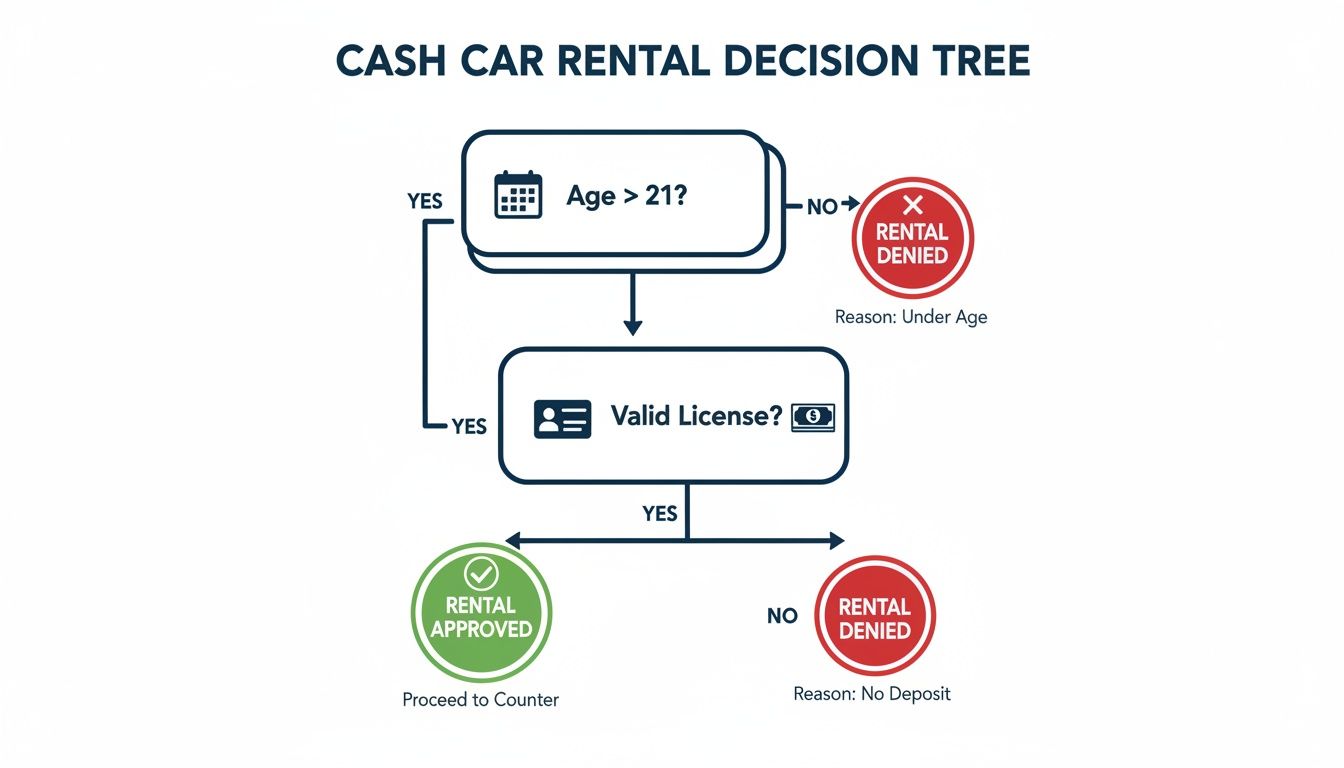
As you can see, getting your documents and funds in order is your fastest route to hitting the road.
Getting Your Money Back
One of the best parts of paying a cash deposit is how quickly you get it back. There's no waiting around for a bank to process a refund.
As soon as you return the car, an agent gives it a quick inspection. They'll walk around it, check for any new dings, make sure the fuel level is right, and confirm everything is in order. Once they give it the thumbs-up, you get your cash back right then and there. It's a clean, simple transaction.
Expert Tip: Treat your rental agreement and deposit receipt like gold. Keep them somewhere safe. These pieces of paper are your proof of payment and the key to a hassle-free refund when you bring the car back.
Don't Want to Carry Cash? You Have Options
Not everyone is comfortable carrying a few hundred dollars in cash. The good news is, you have other options that offer similar flexibility. Agencies that welcome cash renters, like us, often accept debit cards and sometimes even prepaid cards.
Here’s a quick look at the most common payment methods to help you decide what's best for you.
Payment Method Comparison for Car Rentals
Payment Method | Typical Deposit | Verification Process | Best For |
|---|---|---|---|
Cash | $250 - $500 | Valid ID, proof of address, sometimes a pay stub. | Travelers without credit/debit cards or those wanting an immediate deposit refund. |
Debit Card | $200 - $500 | Soft credit check may be required, plus ID and address verification. | Most renters who have a bank account but prefer not to use a credit card. |
Credit Card | $200 - $300 (Hold) | Standard credit check and verification. | Renters who want the widest choice of agencies and potential card benefits. |
Each option has its place, but for a straightforward rental without credit checks, cash and debit cards are fantastic alternatives.
Here's a little more detail on the alternatives:
Debit Cards: This is easily the most popular cash alternative. The deposit is taken directly from your bank account and refunded after the car is returned. Just be aware that the refund can take a few business days to show up in your account.
Prepaid Cards: These are a bit trickier, as not all agencies accept them. If you plan to use one, you must ensure it's loaded with enough money to cover the entire rental cost plus the full security deposit. Always call ahead to confirm the agency will accept it.
No matter how you choose to pay, understanding the deposit process makes everything smoother. If you’re ready to find a vehicle that fits your needs and budget, check out our current car rental deals to get started.
How to Protect Yourself During a Cash Rental
Choosing to rent a car with cash gives you a lot of freedom, but it comes with a trade-off. You miss out on the automatic insurance and fraud protections that are baked into most credit card transactions. This just means you need to be a little more proactive to protect yourself and your money.
Your main job is to make sure you're properly insured and to meticulously document the car's condition before you even think about putting it in drive.
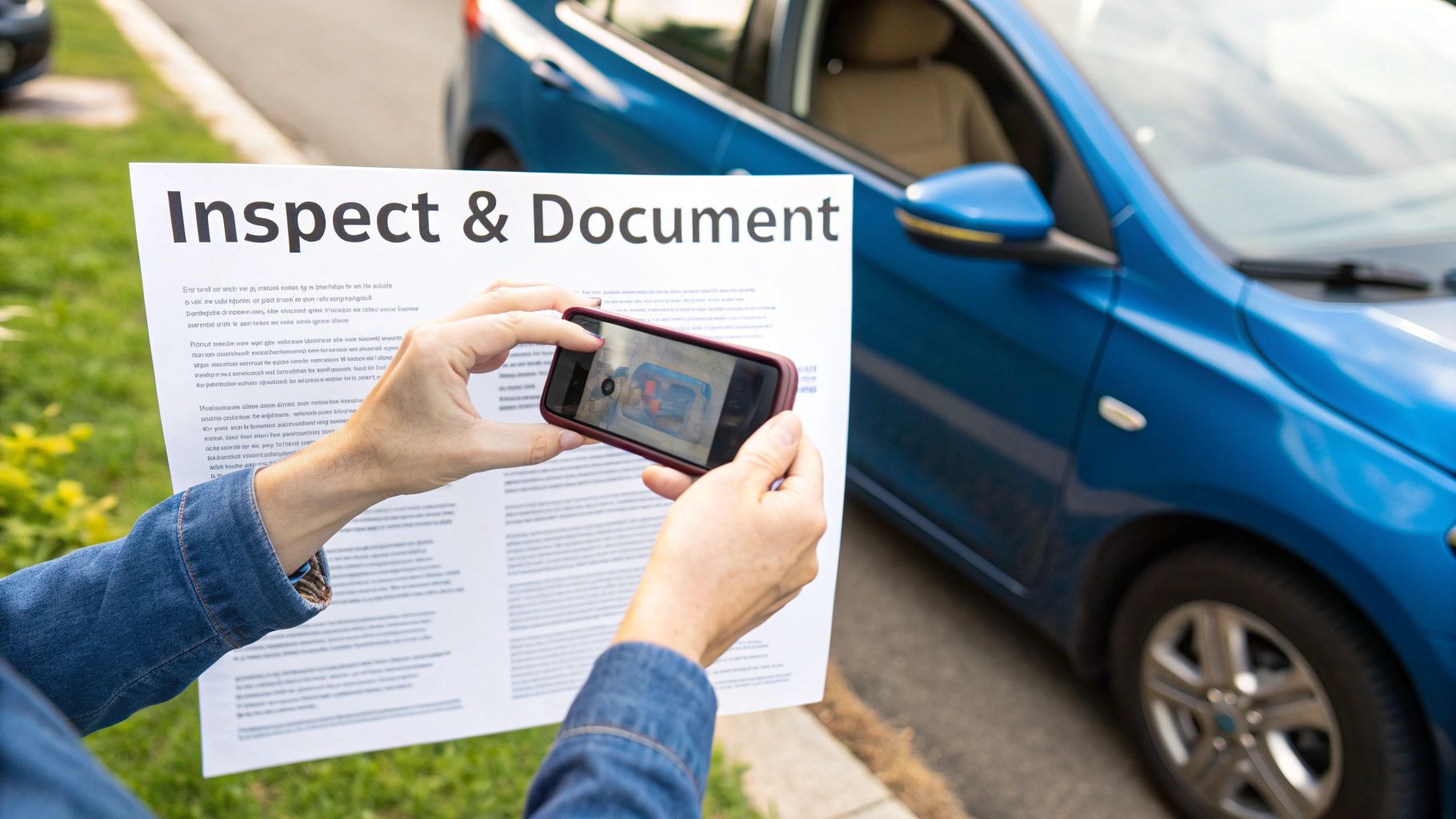
Without those credit card benefits, buying insurance directly from the rental company isn't just a good idea—it's essential. Yes, it adds to the total cost, but the peace of mind it buys is worth every penny.
Secure the Right Insurance Coverage
Think of rental insurance as your financial backstop. You'll likely see a few options, but two are critically important:
Collision/Loss Damage Waiver (CDW/LDW): This isn't technically insurance, but it's a waiver from the rental company that limits how much you'd have to pay if the car is damaged or stolen.
Supplemental Liability Insurance (SLI): This policy covers you for damage to other people's property or for injuries you might cause in an accident.
Before you sign on the dotted line, have the agent walk you through exactly what each policy covers and, just as importantly, what it doesn't. Don't be afraid to ask questions until you're completely clear.
Real-World Scenario: A family renting in Miami for a weeklong vacation diligently photographed a long scratch on the rear bumper before leaving the lot. Upon return, a different agent tried to blame them for the damage. Their time-stamped photos immediately cleared them, saving them from a potential $500 repair bill.
Conduct a Thorough Vehicle Inspection
Your smartphone is your best friend at the rental counter. A detailed inspection before you leave the lot is your single best defense against being unfairly charged for damage you didn't cause.
Here’s a simple but effective routine I always follow:
Take Detailed Photos and Videos: Do a slow walk-around of the entire car. Capture every panel from a few different angles. Get right up close to any existing scratches, dents, or scuffs. Pop open the doors and document the interior, too—don't forget the windshield and tires.
Check and Document with the Agent: Point out every single imperfection to the rental agent. Make sure they note it on the rental agreement paperwork before you sign anything. This creates an official paper trail.
Verify Everything Works: It's not just about cosmetic damage. Quickly flip on the headlights, test the turn signals, and check the wipers and A/C. You're making sure the car is safe and functional for your trip.
Leisure travelers make up over 50% of all car rentals, and with U.S. rental prices recently dropping 4.8% year-over-year, more families are hitting the road. To keep up, rental companies are introducing tech for automated check-ins, but that doesn't replace your own careful inspection.
And for cars with modern keyless entry systems, it's smart to brush up on tips for preventing keyless car theft to keep the vehicle secure.
Finally, and this is crucial, keep your rental contract and all your cash receipts somewhere safe. These documents are your ultimate proof of payment and the agreed-upon terms. If a dispute pops up later, they will be your final line of defense.
Insider Tips for Different Kinds of Travelers
Why you’re renting a car completely changes the game. A family on a Disney vacation has a totally different set of needs than a business traveler zipping between meetings, so a one-size-fits-all approach to renting with cash just won't cut it.
By thinking about what your trip looks like, you can sidestep common headaches, save some money, and actually enjoy the ride. Let's break down some real-world advice for your specific situation.
Vacationers and Families: Make it Easy
When you’re on vacation, the last thing you want to deal with is complicated logistics. This is where a good cash car rental service really shines—by making everything seamless. My best advice? Look for a company that offers airport or hotel delivery. Trust me, not having to drag kids and luggage onto a shuttle bus after a long flight is a lifesaver.
Many companies that cater to families also throw in some fantastic perks that you should absolutely ask about.
Complimentary Car Seats: Safety first, right? But lugging your own bulky car seat through an airport is a nightmare. Getting one included is a huge win.
Free GPS Units: Your phone's map is great, until you hit a dead zone. A dedicated GPS can be the difference between a scenic drive and a stressful detour.
Unlimited Mileage: This is non-negotiable for explorers. You should have the freedom to take that spontaneous drive up the coast without constantly checking the odometer and worrying about extra charges.
The Savvy Business Traveler: Time is Money
For anyone traveling for work, efficiency and clarity are everything. One of the biggest advantages of a straightforward cash rental is the simple, all-inclusive pricing. You know exactly what you’re paying upfront, which makes filing expense reports a breeze. No more digging through confusing credit card statements to figure out what that surprise fee was for.
Pro Tip: Arrange to have your car dropped off right at your hotel or the conference center. You can walk out of a meeting and straight into your car, saving precious time you'd otherwise waste waiting for a rideshare.
International Visitors: Keep it Simple
Renting a car in a new country can feel a little intimidating. Paying with cash can actually make it much easier by helping you sidestep a lot of the usual hassles—things like international credit card compatibility, foreign transaction fees, or big holds that can lock up your travel budget.
Unlimited mileage is especially golden for international travelers, giving you the freedom to really explore Florida without watching the clock. To make your arrival feel less chaotic, find a rental service that uses WhatsApp. It’s a super easy way to coordinate your airport pickup without worrying about your international phone plan working correctly. You can check out different car rental locations in Miami ahead of time to find a spot that’s most convenient for your travel plans.
Local Residents in a Pinch: The Quick Fix
Life happens. One day your car is fine, the next it’s in the shop for a week and you still have to get to work. This is the perfect scenario for a local cash car rental. It’s a quick, no-fuss way to get a set of wheels without a credit check or a long approval process. Since you’re probably just driving around town, you can grab a basic, fuel-efficient model to keep your costs down.
With the costs of owning a car on the rise—fuel and maintenance are up around 20% since 2020—it's no surprise that 55% of the rental market is driven by leisure travelers looking for better value. This trend is pushing more companies to offer convenience-focused services like airport delivery and free add-ons, which you can read more about in this car rental industry report.
Common Questions About Renting a Car With Cash
It’s smart to have a few questions before you commit to renting a car with cash. Getting clear, straightforward answers is the last step to feeling totally confident when you walk up to that rental counter. Let's dig into some of the most common things people ask us.
This way, you’ll know exactly what to expect when you arrive, cash in hand.
Is It More Expensive to Rent a Car With Cash?
This is probably the number one question on everyone's mind, and the simple answer is no. The daily rate for the car itself is based on the vehicle, not how you pay for it. So, the price you’re quoted should be the same whether you’re using cash, a debit card, or a credit card.
Where you'll see a difference is with the security deposit. A rental company sees a cash payment as a higher risk, so they’ll almost always ask for a larger cash deposit. But remember, this isn't an extra charge.
The security deposit is 100% refundable. As long as you bring the car back on time and in the same shape you got it, you get every penny back. So, while you need a bit more cash upfront, it doesn't actually make your trip more expensive.
Can I Just Use a Debit Card Instead of Cash?
Absolutely. In fact, most places that are open to cash rentals are just as happy to take a debit card. For a lot of people, this hits the sweet spot—you get the convenience of a card without needing a credit history.
Plus, using a debit card means you don't have to carry a big wad of cash around, which is always a safer way to travel.
Just make a point to ask about their specific debit card rules. Some companies might want to see proof of a return flight or a recent utility bill to confirm your details. A quick call beforehand can clear up any confusion and make the whole process go smoothly.
What Happens If I Have an Accident?
First things first: check on everyone involved and call the police to get an official report. Your very next call should be to the rental agency. They need to know what happened right away.
This is exactly why getting insurance directly from the rental company is so crucial when you're paying with cash.
Collision Damage Waiver (CDW): This is your protection. It limits how much you'd have to pay out-of-pocket for any damage done to the rental car.
Supplemental Liability Insurance (SLI): This covers the other party—damage to their car or their medical bills if they're injured.
Without this coverage, you could be on the hook for thousands of dollars in repairs and bills. Think of your rental insurance as your financial safety net.
How Quickly Do I Get My Cash Deposit Back?
This is one of the best parts about paying a cash deposit: you get it back instantly. No waiting around for days while a bank processes a debit card hold.
When you return the vehicle, an agent will give it a quick inspection. They'll look for any new dings or scratches, check the fuel gauge, and make sure there are no surprise tolls waiting.
The moment they give you the all-clear, they hand your cash right back to you. Always get a receipt confirming the deposit was returned to officially close out the rental.
Ready to hit the road without the credit card hassle? At Cars4Go Rent A Car, we make it easy to book the perfect vehicle for your Miami adventure. Find your ideal car and get a transparent, upfront quote today!
Comments